Stop Waiting for Someone to Cast You — Start Creating the Show Yourself

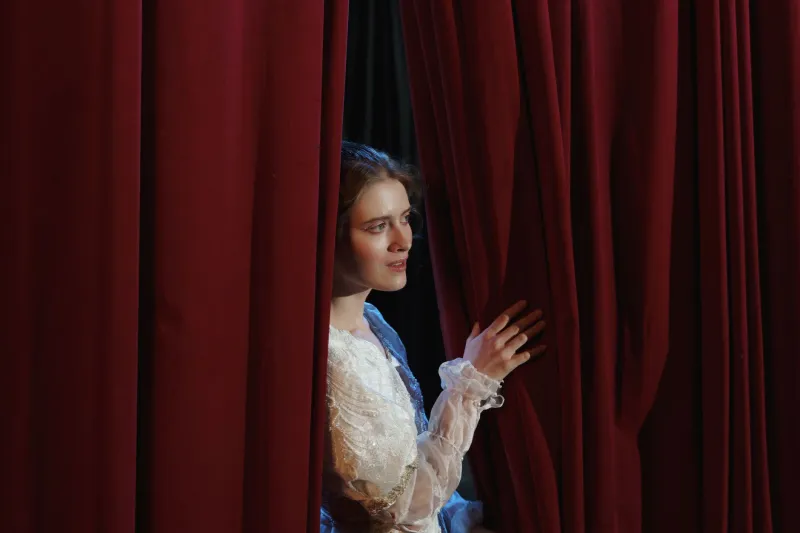
Photo by Photo by Sincerely Media on Unsplash on Unsplash
Let me paint a picture that's probably familiar to a lot of you.
You've got the training. You've got the work ethic. You've got a reel, a headshot, a resume with actual credits on it. And you are waiting. Waiting for an audition callback. Waiting for an agent to respond. Waiting for someone in a position of power to look at everything you've built and say, "Yes. You. We want you."
I've been in that waiting room. Metaphorically and literally. And I'm here to tell you — the waiting room is optional now.
The Old Playbook Has a New Edition
For most of entertainment history, the path was pretty linear. You trained, you auditioned, you hustled through the traditional channels, and you hoped the right person caught your work at the right moment. The industry held the keys to visibility, and your job was to knock on doors until someone opened one.
That structure hasn't disappeared, but it has fundamentally changed. The rise of social media, streaming platforms, podcasting, YouTube, TikTok, Instagram Live, Substack — these aren't just marketing tools. They're stages. And unlike the stages of the traditional industry, nobody's standing at the door checking your credits before they let you perform.
The performers who are building real, lasting careers right now? A huge number of them didn't wait to be discovered. They created something, put it out into the world, and let the audience find them.
Your Narrative Is Your Most Valuable Asset
Here's something I've come to believe pretty deeply: the story you tell about yourself matters just as much as your actual body of work — sometimes more. Because in a crowded industry, people don't just connect with your talent. They connect with you. Your perspective, your voice, the specific way you move through the world.
And the beautiful, slightly terrifying thing about digital platforms is that you get to shape that narrative yourself. Nobody else is editing your Instagram caption or deciding what angle to shoot your podcast intro from. That's yours.
I started leaning into content creation not because someone told me it was smart career strategy — honestly, I resisted it for longer than I should have — but because I realized I had things to say that didn't fit neatly into an audition room. Thoughts about craft, about the industry, about what it actually feels like to do this work. Once I started sharing those things, something shifted. The audience I was reaching wasn't just potential fans. It was collaborators, directors, writers, producers — people who wanted to work with someone whose brain they already understood.
What 'Creating Content' Actually Looks Like
I want to get practical here for a second, because I think the phrase "create content" can feel vague and a little corporate. So let's break it down.
Creating content as an entertainer might look like:
- A behind-the-scenes video series documenting your rehearsal process or prep for an audition
- A podcast where you interview fellow performers, discuss your craft, or explore the parts of the industry nobody talks about publicly
- Short-form performance clips — original monologues, covers, character sketches — that show range you can't demonstrate on a traditional resume
- A live stream of you teaching a skill, workshopping a scene, or just having an honest conversation with your audience
- Long-form writing — essays, newsletters, blogs — that let people inside your creative thinking
None of these require a big budget. None of them require permission from a casting director or a production company. They require time, consistency, and the willingness to be seen before you feel completely ready.
That last part is the hardest. I'll be real about that.
The Permission Problem
So much of traditional entertainment culture is built around gatekeeping — and whether we mean to or not, a lot of us have internalized that structure. We wait for external validation to feel legitimate. We don't post the video because it's not polished enough. We don't launch the podcast because we're not sure we have enough to say. We don't share the original piece because what if nobody responds?
But here's what I've noticed: the people who are building genuine audiences online are almost never the ones who waited until everything was perfect. They're the ones who started messy and got better in public.
There's a version of imposter syndrome that's specific to this kind of self-directed work — this feeling that if the industry hasn't officially validated you, you don't have the right to take up space. I want to name that feeling and then gently suggest you set it aside. Because the audience doesn't care about your credits. They care about whether you're giving them something real.
Building Community Is Building a Career
One of the most underrated aspects of creating your own content is the community that forms around it. When you show up consistently and authentically, people don't just become fans — they become invested in your journey. They share your work. They show up to your live performances. They support your projects before the reviews come in.
That kind of loyalty can't be manufactured through traditional PR. It grows organically, over time, from genuine connection. And in an industry where so much depends on word of mouth and momentum, having a community that's actively rooting for you is an extraordinary thing.
I've met some of my most meaningful collaborators through the audience I've built online. People who found me through a single video or essay and then followed the thread of everything else. That network is real. It opens doors.
The Stage Is Wherever You Build It
I still love traditional performance. The stage, the screen, the collaborative magic of working with a cast and crew toward something shared — none of that has lost its appeal for me. But I no longer think of those opportunities as the only measure of my career.
The content I create, the conversations I start, the pieces of my story I choose to share — those are performances too. They tell a story. And when you're an entertainer, telling your story well, on your own terms, is one of the most powerful things you can do.
You don't have to wait for someone to hand you a stage. You can build one. Start small, stay consistent, and trust that the audience for your specific voice is out there looking for exactly what you have to offer.
They just need to be able to find you.