Quiet Seasons Aren't Wasted Time — They're Where the Real Work Happens

I went through a stretch last year that I can only describe as aggressively ordinary. I woke up, made coffee, walked the same three blocks I always walk, watched too much TV, and went to bed. No auditions. No callbacks. No late-night rehearsals that left me buzzing with adrenaline at 2 a.m. Just... days. Plain, unremarkable, sort of forgettable days.
And the whole time, there was this low hum of guilt running underneath everything.
Because when you've built your identity around performance — around showing up in a way that moves people — doing absolutely nothing feels like a betrayal of the whole thing. Like you're letting the story go slack. Like if nobody's watching you grow or struggle or triumph, did any of it count?
I know I'm not alone in this. Talk to almost any entertainer, and you'll find the same quiet anxiety sitting in the corner of their quietest moments. We're trained to be compelling. We're rewarded for being "on." And so when life hands us a season of nothing particularly interesting, it can feel less like rest and more like failure.
But here's what I've slowly, stubbornly come to understand: that boring stretch? It was doing something I didn't have the language for at the time.
The Myth of the Perpetually Interesting Life
Somewhere along the way, the entertainment world — and honestly, social media culture at large — sold us this idea that a creative life should look like a highlight reel. Every week a new project. Every month a new revelation. Every year a bigger, bolder version of yourself stepping into the light.
And sure, that narrative is great for content. It's inspiring. It's shareable. But it has almost nothing to do with how real creative lives actually function.
The truth is messier and, weirdly, more comforting: most of a performer's life is spent not performing. Most of it is the grocery run and the overdue phone call and the afternoon where you stare at the ceiling wondering what you're even doing. The big moments — the ones that feel electric and defining — are almost always outnumbered by the quiet ones.
We just don't talk about the quiet ones. So they start to feel like something's wrong.
What Routine Actually Gives You
I used to treat routine like a consolation prize. Like, okay, nothing exciting is happening, so I guess I'll just exist for a while. I'd go through the motions almost apologetically, as if the mundane parts of my life were something to get through rather than something to pay attention to.
Then I started noticing something.
Every time I came back to a project after a genuinely slow, unglamorous season, I had more to bring to it. Not in a dramatic, transformed-by-suffering kind of way. More like... I'd been quietly filling back up without realizing it. The walks. The bad TV. The long dinners with friends where nothing important was said. All of it was somehow feeding something.
Creativity isn't a faucet you can leave running indefinitely. It needs input. It needs stillness. It needs the kind of low-stakes observation that only happens when you're not under pressure to produce anything.
Routine, I've learned, is actually one of the most generous things you can give yourself as a performer. It's the container that holds everything else. It's how you stay sane enough to do the wild, vulnerable, exposed work that performance requires.
Giving Yourself Permission to Be Unremarkable
This is the part nobody really talks about, so I want to sit with it for a second.
There's a specific kind of pressure that comes with being a public-facing person — even at whatever scale you're operating at. People have expectations of you. You have expectations of yourself. And the idea of simply being boring for a while can feel almost like a moral failing. Like you're not working hard enough, not hungry enough, not dedicated enough to the craft.
I had to actively give myself permission to stop performing my own life for a while. To let the weeks be quiet. To not turn every slow Tuesday into a lesson or a story or a piece of content. To just... be a regular person eating cereal and watching old episodes of something I'd already seen.
And it was uncomfortable at first. Genuinely uncomfortable. Like I was waiting for someone to catch me slacking.
But then something loosened. Some tight, exhausting thing I'd been holding for a long time just... let go a little. And in that space, I started noticing things again. Small things. The way a particular song made me feel. A conversation that stuck with me for days. A memory that surfaced out of nowhere and turned out to be important.
The boring season was, without my permission or awareness, becoming the most creatively fertile period I'd had in years.
Rest Is Not the Opposite of Ambition
I think we've gotten confused about what ambition actually looks like in a sustained creative life. We've started equating it with constant output, constant visibility, constant momentum. And that definition will burn you out so thoroughly that you'll have nothing left to give to the work that actually matters.
Rest — real rest, not just a weekend off but genuine permission to be unproductive and uninteresting for a stretch — is part of the process. It's not a detour from the journey. It is the journey, at certain points.
The most honest performances I've ever given came after periods where I'd been quiet long enough to actually have something to say. Where I'd lived enough of a regular, unremarkable life that I had real texture to bring to the stage. You can't fake that. Audiences feel it when you're performing from a place of genuine experience versus when you're running on fumes and ambition alone.
What I'd Tell Myself Earlier
If I could go back and sit with the version of me who was white-knuckling through that ordinary stretch, feeling guilty about every slow day, I'd say this:
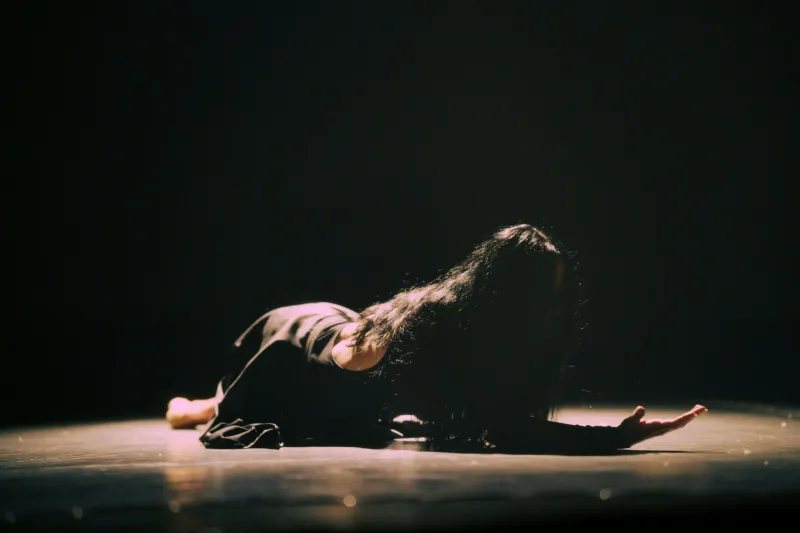
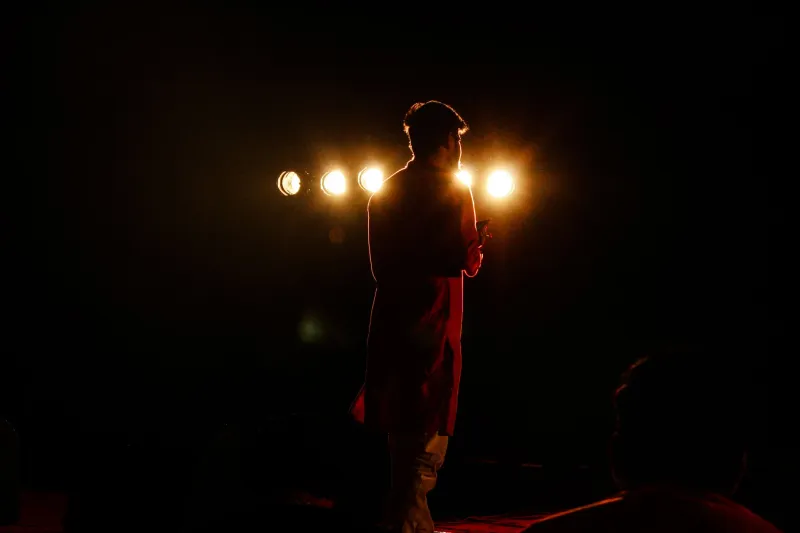
The story doesn't stop when the spotlight goes off. It just gets quieter. And the quiet parts are where the real material lives — the stuff that's too honest and too human to manufacture. You don't find it by staying "on." You find it by finally letting yourself be off for a while.
The big moments will come back. They always do. But they'll mean more — and you'll be able to do more with them — if you let yourself be genuinely, unapologetically boring in between.
That's not a failure. That's how this actually works.