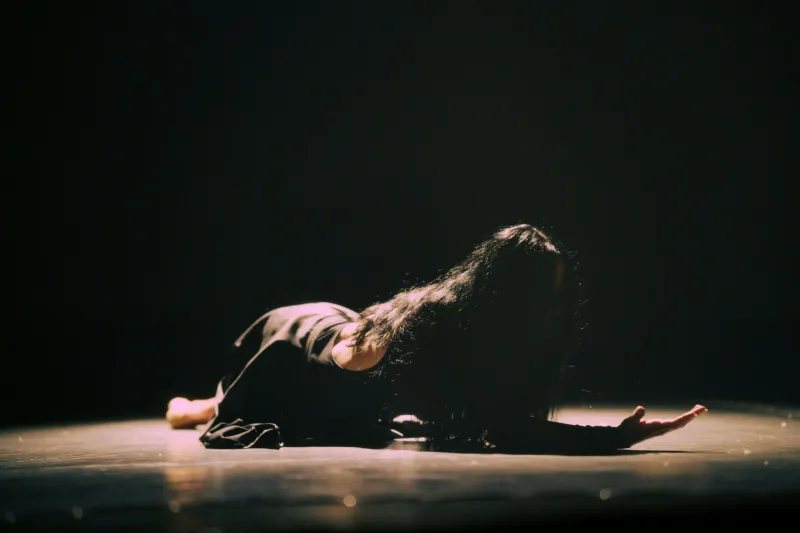
The Show Ends, But the Story Stays: What It Really Means to Leave a Mark
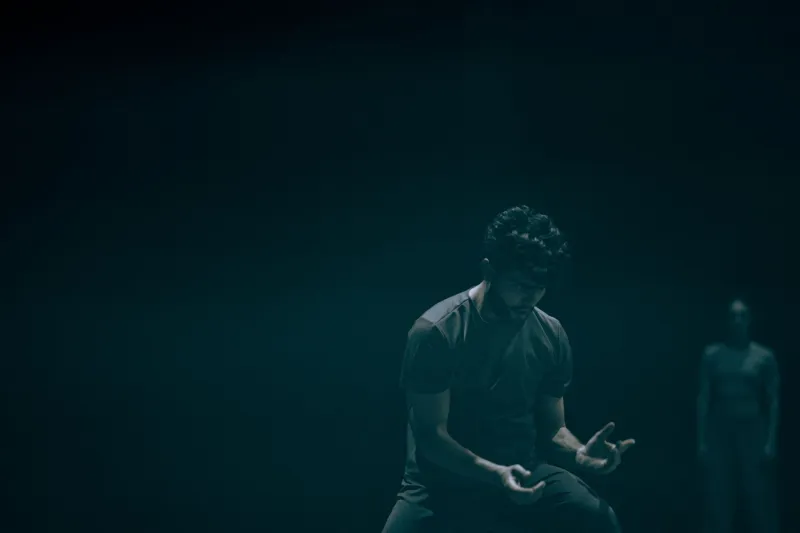
There's a moment after a really good show — you know the one — where the audience rises to their feet and the sound just fills the whole room. It hits you in the chest. Your eyes sting a little. You take a breath and think, this is why I do it.
And then it's over.
You walk offstage. You change out of your costume. You wipe off your makeup in a mirror under fluorescent lights that have no business being that harsh. By the time you're in your car heading home, that thunder of applause is already becoming a memory. A good one, sure. But a memory.
I spent a lot of years chasing that sound. I measured my worth in it. A standing ovation meant I'd done something right. A quiet, polite response meant I needed to work harder. And the metrics online — the views, the shares, the comments — those just gave me more data points to obsess over.
But something shifted for me a few years back, and it changed how I think about all of it.
The Letter That Recalibrated Everything
I got a handwritten letter from a woman in Ohio. She'd seen me perform at a mid-sized theater in Columbus — not a headline show, honestly, more of a supporting role in a touring production that didn't exactly set the world on fire. The reviews were fine. The audiences were decent. By any external measure, it was a forgettable run.
This woman wrote to tell me that she'd been in the middle of a brutal divorce when she came to see that show. Her sister had basically dragged her out of the house because she hadn't left in weeks. She said there was a moment — a single, small moment in the second act — where something I did on stage made her laugh for the first time in months. Real laughter. The kind that surprises you.
She wrote: I didn't know I still had that in me.
I read that letter three times before I put it down. And then I sat with this strange, uncomfortable realization: I had no memory of that night being special. I hadn't felt a spark. I hadn't walked offstage thinking I'd connected with anyone. The audience had clapped, we'd taken our bows, and I'd gone back to the hotel and ordered room service.
Something enormous had happened for her in that room, and I hadn't even known it was possible.
The Metrics We Can't Measure
Here's the thing about applause and ratings and follower counts — they're real, and I'm not going to pretend they don't matter to me. Of course they do. We're human beings. We want to know our work is landing.
But those metrics only capture the surface. They measure the people who are moved enough to clap loudly, or to leave a comment, or to hit share. They don't capture the person sitting in the third row who's quietly processing something they've never said out loud. They don't measure the teenager who watched something you did and decided to try out for the school play. They don't count the person who drove two hours to see your show because your last one helped them through something they haven't told anyone about.
Those people exist. I know they exist because every now and then, one of them finds a way to tell me. And every time it happens, I feel like I've been handed a completely different measuring stick.
Performing for the Person You Can't See
This has actually changed the way I prepare for a show. Not in a dramatic, wholesale way — more like a quiet recalibration that happens in the back of my mind.
I used to think about the audience as a collective. One big organism I needed to win over. Now I think about the individuals in it. The woman who came alone because her partner didn't want to. The guy who bought the cheapest ticket and sat in the back because it was all he could afford but he really needed to be there. The kid who's never seen live performance before and doesn't know yet that it's going to become a defining part of their life.
I can't perform for all of them in different ways at once. But thinking about them — holding them in my mind as real, specific people with real, specific lives — changes the quality of what I bring to the stage. It makes me less focused on being impressive and more focused on being present. On being honest. On doing the thing that's true rather than the thing that's flashy.
Funnily enough, that's usually when the standing ovations happen anyway. But I've stopped needing them to feel like I've done something worthwhile.
The Slow Burn of Real Impact
The other thing about genuine impact is that it rarely announces itself on schedule. A standing ovation happens right now, in the room, while you're still there to receive it. But the deeper stuff? That works on a delay.
Someone watches something you did and it plants a seed. They don't even know it yet. Six months later, they make a decision — they sign up for a class, they call the person they've been avoiding, they let themselves feel something they'd been holding at arm's length. The thing you did was somewhere in the background of that moment, even if they couldn't name it.
You will never know about most of it. That used to bother me. Now I find it kind of beautiful.
Because it means the work matters beyond the room. It means every performance is a ripple, and you don't get to stand on the shore and watch where it goes. You just have to trust that the water moves.
What I'm Actually Trying to Do Up There
I've gotten clearer on this over time. I'm not up there to be impressive. I'm not up there to collect a reaction. I'm up there to tell a story in a way that makes someone feel a little less alone, a little more seen, a little more like the complicated, beautiful mess of being human is something worth showing up for.
If I do that — if I really do that, even once in a while — then the show mattered. Whether they gave me a standing ovation or polite applause or sat in silence with something moving through them that they couldn't quite name.
The curtain comes down. The lights go up. People find their coats and head for the exits.
And somewhere in that crowd, something is already beginning.